





Back to Glossary

Merchant Underwriting

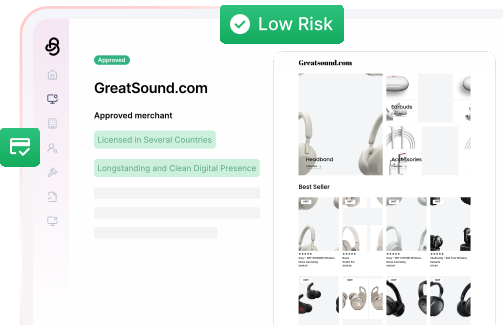
Merchant underwriting is the risk evaluation process conducted by payment service providers (PSPs), acquirers, and banks to determine whether a business qualifies for a merchant account and payment processing services. This assessment establishes whether the merchant falls within the provider's acceptable risk parameters and defines the terms under which processing services will be provided.

Why Merchant Underwriting Matters

The underwriting function serves as the first line of defense against financial and reputational risks in the payments ecosystem.

Poor underwriting decisions expose PSPs, acquirers, and banks to several critical challenges:

  • Regulatory and Compliance Risk: Onboarding merchants engaged in prohibited or restricted activities can trigger regulatory action, card scheme fines, or loss of processing privileges. Industries such as CBD, nutraceuticals, pharmaceuticals, gambling, adult content, and crypto trading require specialized assessment due to heightened regulatory scrutiny and evolving compliance requirements.

  • Financial Exposure: Merchants with unstable financials, poor credit history, or high chargeback rates increase financial risk. Without adequate controls such as rolling reserves, processing limits, or enhanced monitoring, acquirers may face significant losses from chargebacks, fraud, or merchant insolvency.

  • Card Scheme Penalties: Visa, Mastercard, and other card networks impose strict merchant monitoring standards. Failure to adequately underwrite merchants can result in breach of card scheme rules, leading to fines, increased assessments, or termination of sponsorship agreements.

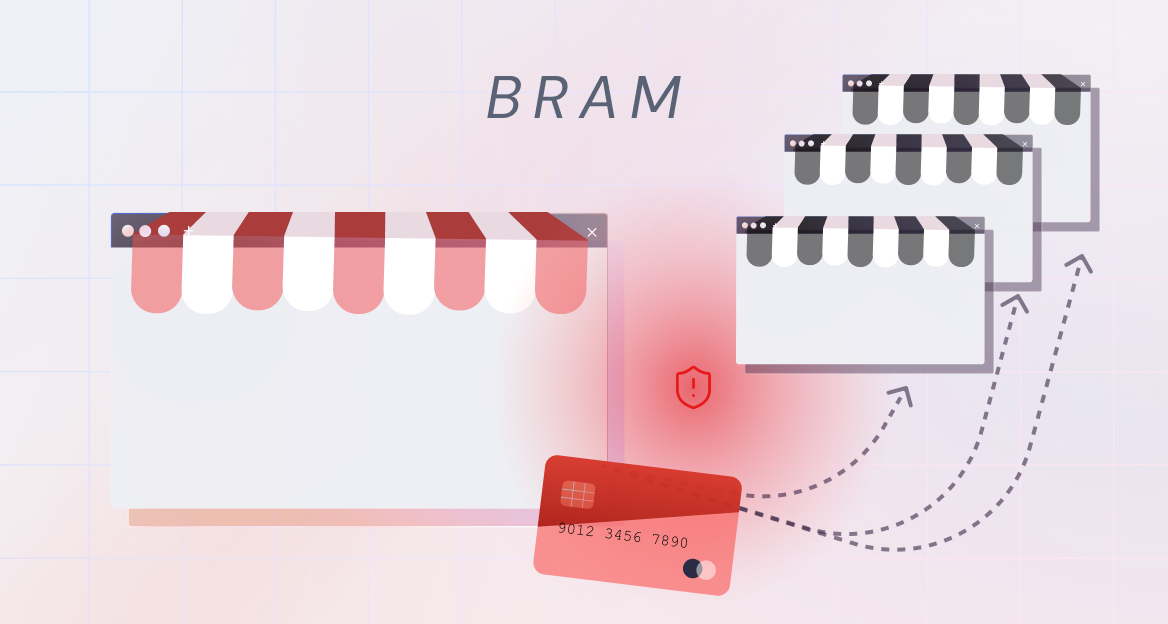
  • Transaction Laundering: Merchants may misrepresent their business model during onboarding, then process transactions for undisclosed or prohibited activities. Effective underwriting must identify indicators of transaction laundering, including discrepancies between stated business operations and actual website content, multiple storefronts under common ownership, or patterns consistent with payment facilitation without authorization.

How to Conduct Effective Merchant Underwriting

We recommend structuring your underwriting process around the following core components:

1. Business and Ownership Verification: Confirm the legal entity structure, beneficial ownership, and key management personnel. Verify business registration, tax identification numbers, and corporate documentation. For ultimate beneficial owners (UBOs) and key management personnel (KMP), conduct background checks that include a Lawsuits & Litigation section, clearly disambiguating name-collision results and citing sources.

2. Industry and MCC (Merchant Category Code) Classification: Accurately assign MCC codes based on the merchant's actual business activities, not solely on self-reported information. Cross-reference stated business models with website content, product offerings, and promotional materials. High-risk industries require enhanced due diligence and industry-specific expertise.

3. Financial and Credit Assessment: Review financial statements, bank statements, and credit reports to evaluate financial stability and creditworthiness. Assess cash flow adequacy, debt levels, and historical financial performance to determine appropriate processing limits and reserve requirements.

4. Digital Footprint and Website Analysis: Conduct comprehensive web presence analysis to verify that products, services, and business practices align with stated operations. Scan for restricted or prohibited content in accordance with card scheme guidelines and regulatory requirements. Include an Ecosystem section that maps other storefronts, domains, or digital properties operated by the same entity or individuals, a critical step in identifying potential transaction laundering.

5. Risk-Based Terms and Ongoing Monitoring: Apply risk-appropriate onboarding terms, including rolling reserves (funds held in reserve to cover potential chargebacks or losses), transaction limits, enhanced monitoring schedules, or conditional approval periods. Establish triggers for merchant monitoring to detect changes in business model, website content, transaction patterns, or adverse media that may indicate increased risk.

Strategic Context: The Role of Underwriting in the Payments Value Chain

Merchant underwriting directly impacts several business outcomes for payment providers:

  • Portfolio Quality: Rigorous underwriting reduces the incidence of fraud, chargebacks, and regulatory violations within the merchant portfolio, improving overall profitability and reducing operational costs associated with dispute management and remediation.

  • Regulatory Standing: Acquirers and PSPs with strong underwriting programs demonstrate effective risk management to regulators and card schemes, reducing the likelihood of enforcement actions, audits, or restrictions on business activities.

  • Speed vs. Risk Trade-Off: Merchant onboarding speed is a competitive differentiator in the payments industry. Effective underwriting balances rapid onboarding with adequate risk controls, enabling providers to approve low-risk merchants quickly while applying enhanced scrutiny to higher-risk applicants.

  • Economic Terms: Underwriting findings inform pricing decisions, reserve requirements, and processing limits. Merchants presenting higher risk profiles typically require higher pricing, reserves, or transaction caps to offset potential losses.

In the current regulatory environment, acquirers face increased scrutiny from card networks under programs such as Mastercard's Merchant Monitoring Service Provider (MMSP) standards. These requirements mandate enhanced monitoring and due diligence for specific merchant categories, making robust underwriting processes more critical than ever.

Example: High-Risk Merchant Underwriting in Practice

Consider a PSP evaluating an application from a merchant selling CBD products online.

During underwriting, the risk team must:

  • Verify that the merchant holds the required state and federal licenses to sell CBD products.
  • Review the merchant's website to confirm that product claims comply with FDA regulations (no unapproved health claims or therapeutic statements).
  • Ensure the site includes appropriate age-gating mechanisms, terms and conditions, privacy policies, and disclaimers.
  • Assess the merchant's chargeback history with previous processors, if available.
  • Review financial statements to confirm adequate capitalization and cash flow to support inventory, fulfillment, and potential reserve requirements.
  • Identify any related entities or additional storefronts operated by the same owners to assess ecosystem risk and detect potential transaction laundering patterns.

Based on these findings, the PSP might approve the merchant with a 10% rolling reserve, monthly transaction limits, and mandatory quarterly reviews to monitor for changes in product offerings, regulatory compliance, or chargeback rates. If the merchant presents significant red flags (e.g., lack of licensing, non-compliant product claims, or connections to previously terminated merchants), the PSP may decline the application to avoid regulatory and financial risk.

About Ballerine

Ballerine provides AI-powered merchant risk management solutions that streamline underwriting, onboarding, and ongoing monitoring for PSPs, acquirers, banks, and marketplaces. Our platform combines automated web analysis, transaction laundering detection, MCC classification, and adverse media screening to help risk teams make faster, more accurate decisions while maintaining compliance with card scheme and regulatory requirements.

Trusted by

Trusted by Leaders in the Payments Ecosystem

70%

Reduced manual efforts

49%

Improved review resolution time

30%

Increase in 
detected fraud

“We were able to downsize our compliance staff’s workload significantly, which allowed us to allocate the savings and workforce into more improvement projects.”

Shmulik Davar

VP Product at Fido

67%

Reduced Hiring Time

“Proactively navigating fintech regulations requires faster technology adoption. Next-gen compliance infrastructures should seamlessly integrate with existing and new systems and data sources.”

Ran Nachman

VP Regulation Solutions 
at eToro

67%

Reduced Hiring Time

“Proactively navigating fintech regulations requires faster technology adoption. Next-gen compliance infrastructures should seamlessly integrate with existing and new systems and data sources.”

Vicente Mederos

Head of Risk 

at Access Group

98%

Local Compliance

“User-friendly, reliable, and fast. It’s exactly what we needed to scale without adding complexity.”

Emily Rivera

Co-Founder

4.8 rating from 1.5k reviews

Author ImageAuthor ImageAuthor ImageAuthor Image

10+

Download from app store

Download for iOS

Ready to transform how your bank onboards, underwrites, and manages merchant risk?