

Trusted by








.webp)

.webp)

.webp)
A payment aggregator is a service provider that enables multiple merchants to process card and digital payments under a single master merchant account. The aggregator onboards sub-merchants, aggregates their transactions, and routes them through a centralized acquiring relationship, thereby simplifying payment acceptance for businesses that would otherwise face barriers to obtaining individual merchant accounts.
The payment aggregator model is functionally identical to the Payment Facilitator (PayFac) model. In most jurisdictions, the terms are interchangeable. The aggregator acts as the merchant of record with the acquiring bank and assumes legal and operational responsibility for its sub-merchant portfolio.
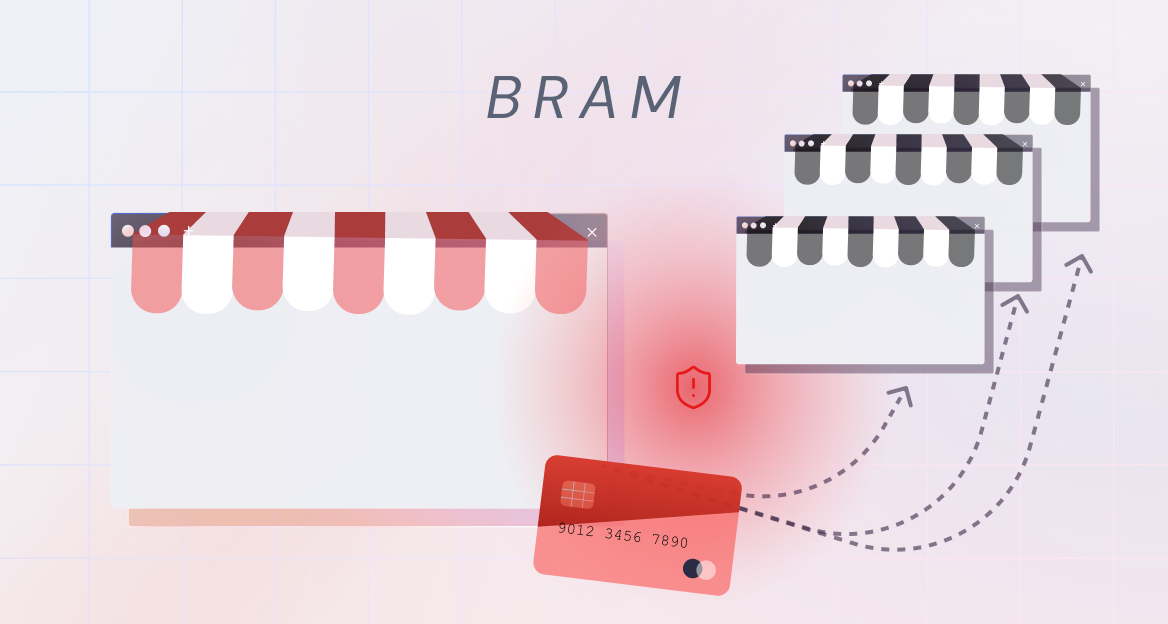
Payment aggregators operate a compressed merchant lifecycle that creates specific risk exposure:
We recommend a layered approach to sub-merchant risk management:
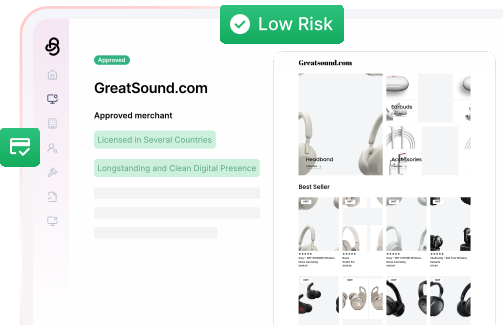
Segment sub-merchants by risk tier based on merchant category code (MCC), transaction volume projections, geography, and business model. High-risk segments (e.g., BNPL, travel, digital goods) should trigger enhanced due diligence workflows that include manual review, additional documentation, and restricted processing limits during an observation period.
Conduct Know Your Business (KYB) checks that verify corporate registration, business licenses, and Ultimate Beneficial Owner (UBO) identity. Cross-reference UBOs against sanctions lists, adverse media, and internal blocklists. We look for evidence of prior merchant account terminations, chargeback abuse, or involvement in prohibited activities.
Use automated rules to flag anomalies such as sudden volume increases, abnormal refund ratios, high chargeback rates, cross-border transaction patterns inconsistent with stated business models, and descriptor mismatches. Alerts should trigger investigation workflows that escalate to analyst review when predefined thresholds are exceeded.
Structure payout terms based on merchant risk profile. Higher-risk sub-merchants should be subject to rolling reserves, delayed settlement periods, or conditional holds pending completion of goods or services. This mitigates exposure to fraud losses and provides a buffer for disputed transactions.
Risk policies should be reviewed quarterly to incorporate new card scheme rules (such as Mastercard's Merchant Monitoring Program Standards), regulatory guidance, and observed fraud typologies. Policy changes must be operationalized through updates to screening rules, documentation requirements, and analyst training.
Payment aggregators emerged as informal arrangements in which a single entity processed payments for multiple merchants. Over time, card networks formalized the model through PayFac registration programs that impose specific requirements for underwriting, monitoring, and reporting.
Acquirers and independent sales organizations (ISOs) now evaluate aggregators using the same risk frameworks applied to other payment service providers. This includes assessment of the aggregator's financial stability, compliance program maturity, and ability to absorb losses from sub-merchant defaults or fraud.
For aggregators operating in multiple regions, regulatory divergence creates complexity. The European Union's Payment Services Directive (PSD2) and similar frameworks in Asia-Pacific markets impose licensing and capital requirements that differ from card scheme rules. Aggregators must navigate both sets of obligations to maintain acquiring relationships and avoid regulatory action.
The rise of embedded finance and vertical SaaS platforms has accelerated adoption of the aggregator model. Platforms that historically referred merchants to third-party processors are now acting as aggregators themselves, which shifts risk management responsibility to software companies with limited experience in payment operations.
Consider an aggregator that onboards an online marketplace connecting sellers of handmade goods. The marketplace itself is the sub-merchant, but it facilitates transactions for hundreds of individual sellers.
During underwriting, the aggregator identifies that the marketplace will process split payments (funds are disbursed to individual sellers after deducting a platform fee).
The aggregator requires the marketplace to provide:
After onboarding, the aggregator monitors the marketplace's aggregate transaction volume, chargeback rate, and refund rate. When the chargeback rate exceeds 1% for two consecutive months, the aggregator places a hold on settlement and requires the marketplace to implement additional fraud controls before resuming normal payout terms.
This scenario illustrates the multi-layered risk exposure aggregators face when sub-merchants are themselves platforms.


Reduced manual efforts
Improved review resolution time
Increase in detected fraud
.webp)

.webp)
.png)
.svg)


.webp)