

Trusted by








.webp)

.webp)

.webp)
An Ultimate Beneficial Owner (UBO) is a natural person who ultimately owns or controls a legal entity, regardless of whether they appear in public filings or corporate registries. In merchant onboarding and Know Your Business (KYB) processes, identifying UBOs is required under Anti-Money Laundering (AML) regulations to establish who benefits from and controls the business entity seeking payment processing services.
Identifying UBOs presents specific operational challenges for acquirers, PayFacs, and marketplaces:
We see acquirers onboard merchants that appear compliant on the surface (legitimate business registration, clean transaction history) but are later found to be controlled by individuals on sanctions lists or involved in prohibited industries. This happens when UBO discovery stops at the first layer of corporate registration without examining the individuals behind holding companies or trust structures.
We recommend a structured approach that combines data collection, verification, and ongoing monitoring:
Define the ownership percentage that triggers UBO status in your jurisdiction (commonly 25% but verify local requirements). Include control-based criteria beyond ownership: individuals with authority to appoint or remove directors, those who influence major business decisions, or individuals with veto rights over significant transactions should be identified even if they hold less than the ownership threshold.
Request a complete ownership chart that traces ownership layers back to natural persons. Required data includes full legal names, dates of birth, residential addresses, nationalities, identification documents (passport or national ID), and the exact nature and extent of their ownership or control (percentage shareholding, voting rights, or control mechanism). For complex structures, request trust deeds, shareholder agreements, or partnership documents that detail control arrangements.
Perform identity verification for each identified UBO using document verification and biometric checks where applicable. Screen each UBO against sanctions lists (OFAC, EU, UN), PEP databases, and adverse media sources. When screening identifies potential matches, investigate to disambiguate between true matches and name collision. For litigation or adverse media results, cite sources and evaluate relevance to current risk (historical bankruptcy may be less relevant than recent fraud charges).
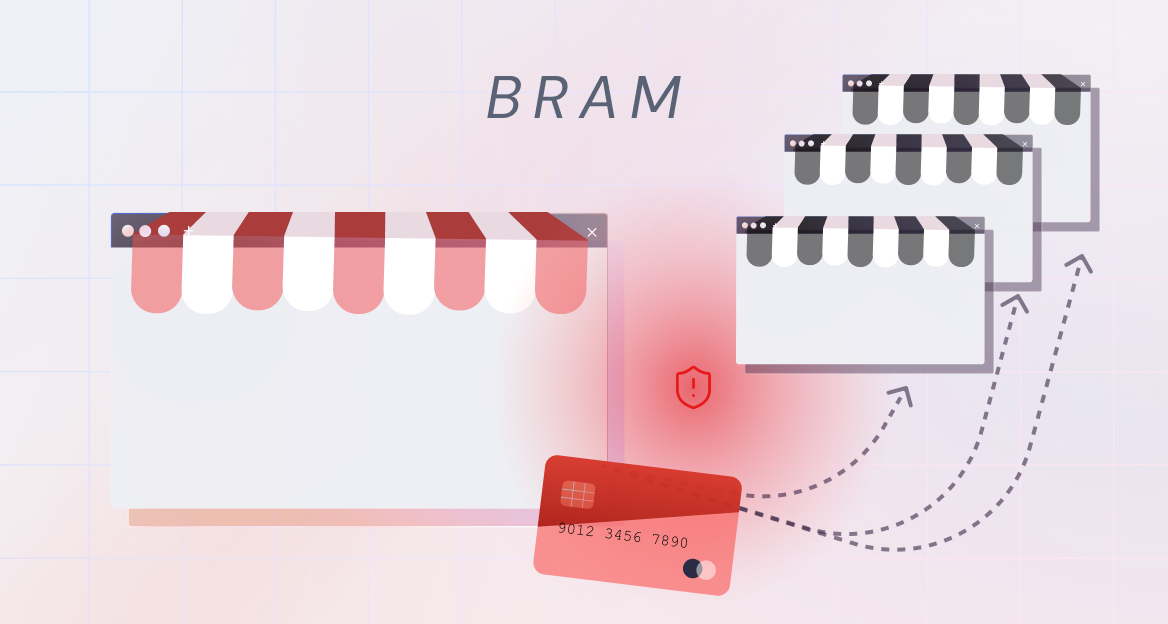
Examine other business entities, domains, or storefronts connected to the identified UBOs. We look for shared directors, common addresses, linked phone numbers, or previously registered businesses. A UBO with prior involvement in terminated merchant accounts or chargebacks represents elevated risk. This step connects individual risk profiles to the broader merchant ecosystem and identifies patterns that single-entity checks miss.
UBO information degrades over time. Implement periodic re-screening (quarterly or annually depending on risk tier) and trigger reviews when corporate filings indicate ownership transfers or directorship changes. Monitor for new sanctions designations, PEP status changes, or adverse media that affects previously cleared UBOs.
An acquirer receives an application from a UK-registered limited company operating an e-commerce site selling consumer electronics. The application lists two directors, both UK residents with clean backgrounds. Initial screening shows no red flags.
During merchant underwriting, the risk team examines the UK Companies House filing and discovers that 80% of shares are held by a Cyprus-registered holding company. Further investigation reveals that the Cyprus entity is controlled by two individuals: one is a beneficial owner residing in a jurisdiction with weak AML enforcement, and the other appears on a PEP database as a former government official.
Adverse media screening on the PEP-listed individual uncovers allegations of corruption related to government procurement contracts. The ecosystem analysis identifies three other UK companies with the same Cyprus holding company structure, one of which had a merchant account terminated by another acquirer due to excessive chargebacks.
Without the UBO investigation, the acquirer would have onboarded a merchant controlled by individuals with corruption allegations and a history of problematic merchant activity, exposing the acquirer to reputational risk, regulatory scrutiny, and potential financial loss.
UBO identification sits within a broader compliance framework. Acquirers and PayFacs conduct Know Your Business (KYB) due diligence that includes corporate structure verification, merchant onboarding workflows, and sanctions screening.
The FATF sets international standards through its recommendations on beneficial ownership transparency, which have been incorporated into regional regulations like the EU's Anti-Money Laundering Directives and the now-suspended U.S. Corporate Transparency Act (FinCEN's BOI reporting requirements were removed in March 2025, though payment providers remain subject to Bank Secrecy Act obligations). Regulatory expectations continue to evolve, and risk teams should track jurisdiction-specific updates to ownership disclosure requirements.


Reduced manual efforts
Improved review resolution time
Increase in detected fraud
.webp)

.webp)
.png)
.svg)


.webp)