Blogs
>
How Underwriting Evolves for High-Risk Business Models

How Underwriting Evolves for High-Risk Business Models

When the stakes are higher, the rules change. Explore how underwriters evaluate high-risk business models and what it takes to maintain a healthy processing relationship in volatile industries.
Nicole Horne
Feb 9, 2026
Share:

Index

High-Risk Merchant Underwriting: What Changes and Why

High-risk merchants are businesses that pose elevated fraud, chargeback, or regulatory exposure due to their industry, business model, or operating characteristics. They include subscription services, adult content, gaming, nutraceuticals, travel, and cross-border merchants in high-fraud regions. Underwriting high-risk merchants requires enhanced due diligence, stricter ongoing monitoring, and higher reserve requirements to protect the acquirer and payment ecosystem. This article explains what defines a high-risk merchant, why they require more rigorous underwriting, and how the process changes operationally. It also covers reserve structures, monitoring practices, and the trade-offs acquirers face when serving high-risk segments.

What defines a high-risk merchant

Industry and product categories

Certain industries generate disproportionate chargebacks, fraud, or regulatory scrutiny. High-risk categories include subscription services with negative option billing, adult content and entertainment, online gaming and gambling, nutraceuticals and unregulated health supplements, travel, ticketing, and future delivery services, and cryptocurrency-adjacent services such as exchanges or payment processors.

Risk varies within categories. A well-managed subscription business with transparent billing and low chargeback rates may be lower risk than a poorly managed retail merchant. Industry category is one factor among many.

For a complete overview of what merchant underwriting evaluates across all risk levels and how the process works, see our comprehensive guide.

Business model characteristics

Business models that increase customer disputes or fraud exposure are considered higher risk. Card-not-present transactions with no physical delivery make it easier for fraudsters to operate without detection. Recurring billing models, particularly those with negative option structures, generate disputes when customers forget about subscriptions or fail to cancel before renewal.

Future delivery services, where customers pay upfront for products or services delivered months later, create insolvency risk. If the merchant fails to deliver or goes out of business, chargebacks follow.

High average ticket sizes relative to business maturity also increase risk. Newly incorporated merchants processing large transactions face scrutiny about legitimacy and repayment capacity.

Geographic and regulatory factors

Merchants operating in or selling to jurisdictions with weak regulatory frameworks, high fraud rates, or limited legal recourse face elevated risk. Cross-border transactions between high-fraud regions and card-issuing countries increase chargeback likelihood.

Regulatory factors include licensing requirements, consumer protection laws, and enforceability of merchant agreements. Merchants operating without required licenses or in gray-market categories present compliance and reputational risk.

Why high-risk merchants require enhanced underwriting

Elevated chargeback and fraud rates

High-risk merchants generate disproportionate chargebacks and fraud losses. Chargeback rates in high-risk industries can be several times higher than the average merchant. Card schemes impose penalties on acquirers with excessive portfolio chargeback rates. Visa's Acquirer Monitoring Program (VAMP) and Mastercard's Excessive Fraud Merchant (EFM) program track acquirer performance and escalate intervention when thresholds are breached.

Fraud losses erode profitability. High-risk merchants are attractive targets for fraudsters due to weak controls, high-ticket transactions, or digital delivery models that enable rapid monetization. Understanding modern fraud patterns and emerging threats is essential for effective high-risk underwriting, particularly as attack vectors evolve faster than traditional rule-based systems can adapt.

Regulatory and reputational exposure

Regulatory scrutiny increases for industries associated with consumer harm or financial crime. Nutraceuticals face scrutiny from health regulators. Gambling and adult content face licensing and age verification requirements. Cryptocurrency services face anti-money laundering and sanctions obligations under international standards set by FATF.

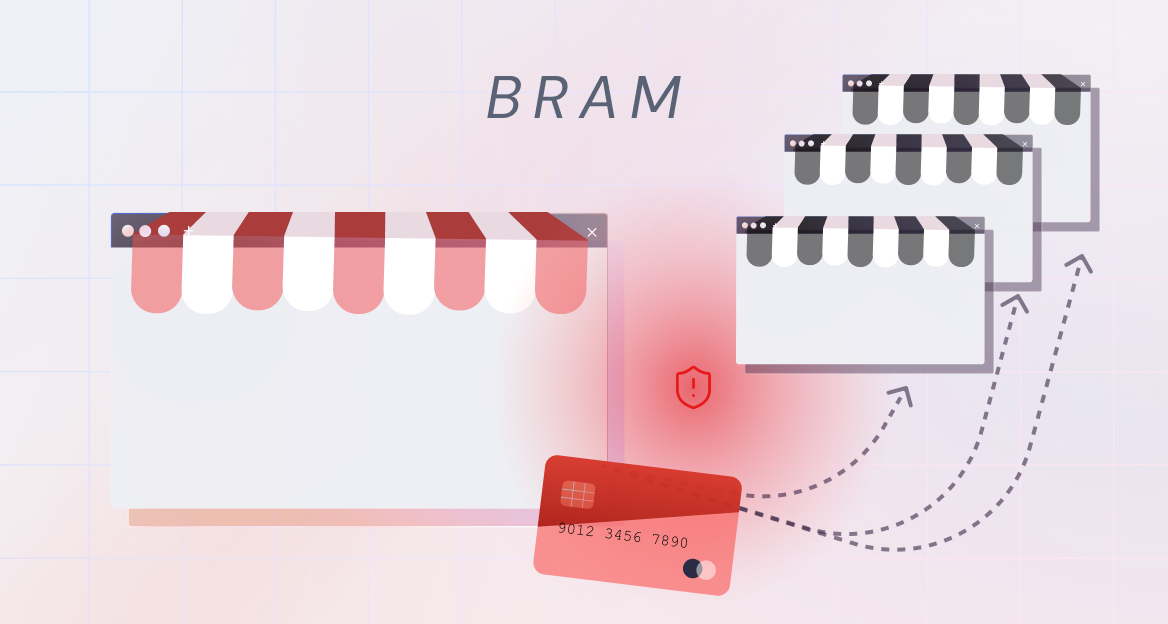
Reputational risk arises from association with unethical or illegal merchants. Payment service providers that onboard high-risk merchants without adequate controls face public criticism, regulatory enforcement, and damage to relationships with schemes and banks. Mastercard's BRAM program and Visa's VIRP specifically target merchants engaged in illegal activity, IP infringement, or deceptive marketing practices that damage brand integrity.

Financial instability and business longevity

High-risk industries often have higher business failure rates. Subscription services reliant on customer retention face cash flow challenges if churn increases. Travel and ticketing merchants face insolvency risk if demand drops. Merchants with thin margins or high operating costs may be unable to absorb chargeback losses.

Acquirers underwrite for financial stability to reduce the likelihood that a merchant will default on chargeback obligations or disappear without fulfilling customer orders.

How underwriting changes for high-risk merchants

Increased documentation and verification depth

High-risk merchants undergo more rigorous documentation and verification. This includes detailed business plans explaining the product, target customers, fulfillment process, and fraud prevention measures; proof of supplier relationships, inventory, or fulfillment capacity; licensing and regulatory approvals for restricted industries; and enhanced ownership and beneficial owner verification, including background checks on key principals.

Underwriters conduct deeper analysis of business model coherence. They assess whether the stated business model is realistic, sustainable, and compliant with scheme rules and regulatory requirements.

Enhanced compliance and adverse media screening

Compliance screening for high-risk merchants is more thorough. Enhanced beneficial owner verification includes checking multiple data sources and resolving ambiguities. Adverse media screening covers broader search terms and longer time periods. PEP screening includes extended family members and close associates.

Screening against sanctions lists maintained by regulatory authorities is conducted with lower tolerance for any matches or ambiguities. Findings that would be considered minor for low-risk merchants may result in decline for high-risk merchants. The tolerance for compliance risk is lower.

More detailed financial and cash flow analysis

Financial assessment for high-risk merchants involves deeper analysis of cash flow, profitability, and repayment capacity. Underwriters review multiple months of bank statements, compare revenue to projections, and assess whether the merchant can cover chargebacks and refunds.

High-risk merchants with thin margins, inconsistent cash flow, or high debt levels face higher reserve requirements or decline. Financial instability increases the likelihood that the merchant will default on obligations.

Reserve structures and holdbacks

Purpose and calculation of reserves

Reserves protect the acquirer by holding a percentage of transaction volume to cover potential chargebacks, refunds, and losses. They act as collateral in case the merchant becomes insolvent, commits fraud, or generates excessive disputes.

Reserve levels are calculated based on industry risk, chargeback history, ticket size, and financial stability. Typical rolling reserve percentages range from 5% to 20% of transaction volume, held for 90 to 180 days. Very high-risk merchants may face upfront deposits or higher percentages.

Rolling reserves vs. upfront deposits

Rolling reserves are the most common structure. A percentage of each transaction is held in reserve for a defined period. After the holdback period expires, funds are released to the merchant. This creates a rolling balance that protects the acquirer while allowing the merchant to access most revenue quickly.

Upfront deposits require the merchant to provide a fixed cash reserve before processing begins. The deposit is held as collateral throughout the merchant relationship and released upon contract termination, minus any outstanding chargeback liabilities.

Release timing and conditions

Reserve release timing depends on the holdback period and merchant performance. If chargeback rates remain low and the merchant maintains good standing, reserves are released according to the original schedule.

If chargeback rates increase or adverse information surfaces, the acquirer may extend the holdback period, increase the reserve percentage, or withhold release pending resolution of outstanding disputes.

Ongoing monitoring and review frequency

Real-time transaction monitoring

High-risk merchants are subject to real-time or near-real-time transaction monitoring. Continuous monitoring solutions analyze transaction patterns, flag anomalies, and generate alerts for manual review. Monitoring detects fraud, unusual volume spikes, geographic anomalies, and changes in ticket size or transaction frequency.

Alerts trigger immediate investigation. Underwriters assess whether the activity is legitimate or indicative of fraud or policy violations. High-risk merchants face lower alert thresholds and more frequent manual reviews.

Triggered re-underwriting

Triggered re-underwriting occurs when risk indicators surface. Volume spikes, chargeback rate increases, customer complaints, adverse media, or changes in ownership prompt re-evaluation. The merchant may be required to submit updated documentation, explain transaction anomalies, or accept enhanced monitoring terms.

If risk has increased beyond acceptable levels, the acquirer may impose additional reserves, reduce volume limits, or terminate the relationship.

Escalation and termination criteria

Escalation criteria for high-risk merchants are stricter. Lower thresholds for chargeback rates, fraud rates, and customer complaints trigger escalation to senior underwriters or risk committees.

Termination occurs when the merchant violates policy, generates excessive chargebacks, commits fraud, or fails to maintain required documentation and compliance standards. High-risk merchants face faster termination than low-risk merchants due to the greater potential for financial and reputational harm.

Operational challenges and trade-offs

Balancing risk mitigation with merchant experience

High-risk underwriting involves tension between risk mitigation and merchant satisfaction. Stringent documentation requirements, long approval timelines, and high reserve levels frustrate merchants and may drive them to competitors.

Acquirers must balance thorough underwriting with competitive onboarding experiences. Hybrid workflows that automate routine checks while reserving human judgment for complex decisions improve speed without compromising risk quality.

Organizations should regularly assess whether their risk management approach needs an upgrade to handle modern high-risk scenarios effectively, particularly as fraud patterns evolve and merchants adopt new business models.

Resource allocation and underwriting capacity

High-risk underwriting requires specialized expertise and senior review. Underwriters need experience with industry dynamics, fraud patterns, and regulatory nuances. Building and maintaining this expertise is costly.

Acquirers must allocate sufficient resources to high-risk underwriting to avoid bottlenecks and maintain approval quality. Insufficient capacity leads to rushed decisions, inconsistent standards, and increased risk.

Banking institutions and fintech companies face particular challenges in building specialized high-risk capabilities while maintaining competitive onboarding speeds and managing operational costs.

Portfolio concentration and scheme scrutiny

Serving high-risk merchants concentrates portfolio risk. If a single industry or merchant segment generates excessive chargebacks, the acquirer's entire portfolio may face scheme scrutiny. Visa VAMP and Mastercard EFM programs escalate intervention when acquirer-level thresholds are breached.

Acquirers manage concentration risk by diversifying portfolios, setting industry-specific volume caps, and monitoring aggregate performance. Partner oversight programs help organizations maintain visibility into partner-onboarded merchants and reduce blind spots in portfolio risk, particularly when ISOs or sub-facilitators bring merchants under the acquirer's umbrella.

Strengthening high-risk underwriting with modern risk intelligence

Traditional approaches to high-risk underwriting struggle with scale, speed, and sophisticated fraud. Manual reviews cannot keep pace with merchant volume. Static rules miss emerging patterns. Periodic reviews fail to catch changes between assessment cycles.

Organizations that successfully manage high-risk portfolios invest in capabilities that enable proactive risk detection. This includes continuous web monitoring to detect changes in merchant offerings that shift risk profiles, automated cross-referencing to identify related entities and potential transaction laundering networks, and AI-powered analysis to surface subtle indicators that traditional scoring models miss.

Ballerine's merchant risk platform helps payment service providers transform high-risk underwriting from a bottleneck into a competitive advantage. By automating routine verification while surfacing complex risks for expert review, risk teams can maintain portfolio quality and scheme compliance without sacrificing speed or merchant experience. Organizations using Ballerine reduce false positives that delay legitimate high-risk merchants, improve detection of sophisticated fraud that evades traditional checks, and free underwriting teams to focus on cases where human expertise adds the most value.

High-risk merchant underwriting requires enhanced due diligence, stricter monitoring, and higher reserves to protect against elevated fraud, chargeback, and regulatory exposure. Industry, business model, and geographic factors define high-risk categories. Enhanced controls include increased documentation, deeper compliance screening, and real-time transaction monitoring. Reserve structures and triggered re-underwriting protect acquirers from financial loss. Operational challenges include balancing risk mitigation with merchant experience and managing portfolio concentration under scheme scrutiny. Effective high-risk underwriting relies on specialized expertise, robust technology, and disciplined governance that evolves with emerging threats.


Related Questions

Reeza Hendricks

High-Risk Merchant Underwriting: What Changes and Why

High-risk merchants are businesses that pose elevated fraud, chargeback, or regulatory exposure due to their industry, business model, or operating characteristics. They include subscription services, adult content, gaming, nutraceuticals, travel, and cross-border merchants in high-fraud regions. Underwriting high-risk merchants requires enhanced due diligence, stricter ongoing monitoring, and higher reserve requirements to protect the acquirer and payment ecosystem. This article explains what defines a high-risk merchant, why they require more rigorous underwriting, and how the process changes operationally. It also covers reserve structures, monitoring practices, and the trade-offs acquirers face when serving high-risk segments.

What defines a high-risk merchant

Industry and product categories

Certain industries generate disproportionate chargebacks, fraud, or regulatory scrutiny. High-risk categories include subscription services with negative option billing, adult content and entertainment, online gaming and gambling, nutraceuticals and unregulated health supplements, travel, ticketing, and future delivery services, and cryptocurrency-adjacent services such as exchanges or payment processors.

Risk varies within categories. A well-managed subscription business with transparent billing and low chargeback rates may be lower risk than a poorly managed retail merchant. Industry category is one factor among many.

For a complete overview of what merchant underwriting evaluates across all risk levels and how the process works, see our comprehensive guide.

Business model characteristics

Business models that increase customer disputes or fraud exposure are considered higher risk. Card-not-present transactions with no physical delivery make it easier for fraudsters to operate without detection. Recurring billing models, particularly those with negative option structures, generate disputes when customers forget about subscriptions or fail to cancel before renewal.

Future delivery services, where customers pay upfront for products or services delivered months later, create insolvency risk. If the merchant fails to deliver or goes out of business, chargebacks follow.

High average ticket sizes relative to business maturity also increase risk. Newly incorporated merchants processing large transactions face scrutiny about legitimacy and repayment capacity.

Geographic and regulatory factors

Merchants operating in or selling to jurisdictions with weak regulatory frameworks, high fraud rates, or limited legal recourse face elevated risk. Cross-border transactions between high-fraud regions and card-issuing countries increase chargeback likelihood.

Regulatory factors include licensing requirements, consumer protection laws, and enforceability of merchant agreements. Merchants operating without required licenses or in gray-market categories present compliance and reputational risk.

Why high-risk merchants require enhanced underwriting

Elevated chargeback and fraud rates

High-risk merchants generate disproportionate chargebacks and fraud losses. Chargeback rates in high-risk industries can be several times higher than the average merchant. Card schemes impose penalties on acquirers with excessive portfolio chargeback rates. Visa's Acquirer Monitoring Program (VAMP) and Mastercard's Excessive Fraud Merchant (EFM) program track acquirer performance and escalate intervention when thresholds are breached.

Fraud losses erode profitability. High-risk merchants are attractive targets for fraudsters due to weak controls, high-ticket transactions, or digital delivery models that enable rapid monetization. Understanding modern fraud patterns and emerging threats is essential for effective high-risk underwriting, particularly as attack vectors evolve faster than traditional rule-based systems can adapt.

Regulatory and reputational exposure

Regulatory scrutiny increases for industries associated with consumer harm or financial crime. Nutraceuticals face scrutiny from health regulators. Gambling and adult content face licensing and age verification requirements. Cryptocurrency services face anti-money laundering and sanctions obligations under international standards set by FATF.

Reputational risk arises from association with unethical or illegal merchants. Payment service providers that onboard high-risk merchants without adequate controls face public criticism, regulatory enforcement, and damage to relationships with schemes and banks. Mastercard's BRAM program and Visa's VIRP specifically target merchants engaged in illegal activity, IP infringement, or deceptive marketing practices that damage brand integrity.

Financial instability and business longevity

High-risk industries often have higher business failure rates. Subscription services reliant on customer retention face cash flow challenges if churn increases. Travel and ticketing merchants face insolvency risk if demand drops. Merchants with thin margins or high operating costs may be unable to absorb chargeback losses.

Acquirers underwrite for financial stability to reduce the likelihood that a merchant will default on chargeback obligations or disappear without fulfilling customer orders.

How underwriting changes for high-risk merchants

Increased documentation and verification depth

High-risk merchants undergo more rigorous documentation and verification. This includes detailed business plans explaining the product, target customers, fulfillment process, and fraud prevention measures; proof of supplier relationships, inventory, or fulfillment capacity; licensing and regulatory approvals for restricted industries; and enhanced ownership and beneficial owner verification, including background checks on key principals.

Underwriters conduct deeper analysis of business model coherence. They assess whether the stated business model is realistic, sustainable, and compliant with scheme rules and regulatory requirements.

Enhanced compliance and adverse media screening

Compliance screening for high-risk merchants is more thorough. Enhanced beneficial owner verification includes checking multiple data sources and resolving ambiguities. Adverse media screening covers broader search terms and longer time periods. PEP screening includes extended family members and close associates.

Screening against sanctions lists maintained by regulatory authorities is conducted with lower tolerance for any matches or ambiguities. Findings that would be considered minor for low-risk merchants may result in decline for high-risk merchants. The tolerance for compliance risk is lower.

More detailed financial and cash flow analysis

Financial assessment for high-risk merchants involves deeper analysis of cash flow, profitability, and repayment capacity. Underwriters review multiple months of bank statements, compare revenue to projections, and assess whether the merchant can cover chargebacks and refunds.

High-risk merchants with thin margins, inconsistent cash flow, or high debt levels face higher reserve requirements or decline. Financial instability increases the likelihood that the merchant will default on obligations.

Reserve structures and holdbacks

Purpose and calculation of reserves

Reserves protect the acquirer by holding a percentage of transaction volume to cover potential chargebacks, refunds, and losses. They act as collateral in case the merchant becomes insolvent, commits fraud, or generates excessive disputes.

Reserve levels are calculated based on industry risk, chargeback history, ticket size, and financial stability. Typical rolling reserve percentages range from 5% to 20% of transaction volume, held for 90 to 180 days. Very high-risk merchants may face upfront deposits or higher percentages.

Rolling reserves vs. upfront deposits

Rolling reserves are the most common structure. A percentage of each transaction is held in reserve for a defined period. After the holdback period expires, funds are released to the merchant. This creates a rolling balance that protects the acquirer while allowing the merchant to access most revenue quickly.

Upfront deposits require the merchant to provide a fixed cash reserve before processing begins. The deposit is held as collateral throughout the merchant relationship and released upon contract termination, minus any outstanding chargeback liabilities.

Release timing and conditions

Reserve release timing depends on the holdback period and merchant performance. If chargeback rates remain low and the merchant maintains good standing, reserves are released according to the original schedule.

If chargeback rates increase or adverse information surfaces, the acquirer may extend the holdback period, increase the reserve percentage, or withhold release pending resolution of outstanding disputes.

Ongoing monitoring and review frequency

Real-time transaction monitoring

High-risk merchants are subject to real-time or near-real-time transaction monitoring. Continuous monitoring solutions analyze transaction patterns, flag anomalies, and generate alerts for manual review. Monitoring detects fraud, unusual volume spikes, geographic anomalies, and changes in ticket size or transaction frequency.

Alerts trigger immediate investigation. Underwriters assess whether the activity is legitimate or indicative of fraud or policy violations. High-risk merchants face lower alert thresholds and more frequent manual reviews.

Triggered re-underwriting

Triggered re-underwriting occurs when risk indicators surface. Volume spikes, chargeback rate increases, customer complaints, adverse media, or changes in ownership prompt re-evaluation. The merchant may be required to submit updated documentation, explain transaction anomalies, or accept enhanced monitoring terms.

If risk has increased beyond acceptable levels, the acquirer may impose additional reserves, reduce volume limits, or terminate the relationship.

Escalation and termination criteria

Escalation criteria for high-risk merchants are stricter. Lower thresholds for chargeback rates, fraud rates, and customer complaints trigger escalation to senior underwriters or risk committees.

Termination occurs when the merchant violates policy, generates excessive chargebacks, commits fraud, or fails to maintain required documentation and compliance standards. High-risk merchants face faster termination than low-risk merchants due to the greater potential for financial and reputational harm.

Operational challenges and trade-offs

Balancing risk mitigation with merchant experience

High-risk underwriting involves tension between risk mitigation and merchant satisfaction. Stringent documentation requirements, long approval timelines, and high reserve levels frustrate merchants and may drive them to competitors.

Acquirers must balance thorough underwriting with competitive onboarding experiences. Hybrid workflows that automate routine checks while reserving human judgment for complex decisions improve speed without compromising risk quality.

Organizations should regularly assess whether their risk management approach needs an upgrade to handle modern high-risk scenarios effectively, particularly as fraud patterns evolve and merchants adopt new business models.

Resource allocation and underwriting capacity

High-risk underwriting requires specialized expertise and senior review. Underwriters need experience with industry dynamics, fraud patterns, and regulatory nuances. Building and maintaining this expertise is costly.

Acquirers must allocate sufficient resources to high-risk underwriting to avoid bottlenecks and maintain approval quality. Insufficient capacity leads to rushed decisions, inconsistent standards, and increased risk.

Banking institutions and fintech companies face particular challenges in building specialized high-risk capabilities while maintaining competitive onboarding speeds and managing operational costs.

Portfolio concentration and scheme scrutiny

Serving high-risk merchants concentrates portfolio risk. If a single industry or merchant segment generates excessive chargebacks, the acquirer's entire portfolio may face scheme scrutiny. Visa VAMP and Mastercard EFM programs escalate intervention when acquirer-level thresholds are breached.

Acquirers manage concentration risk by diversifying portfolios, setting industry-specific volume caps, and monitoring aggregate performance. Partner oversight programs help organizations maintain visibility into partner-onboarded merchants and reduce blind spots in portfolio risk, particularly when ISOs or sub-facilitators bring merchants under the acquirer's umbrella.

Strengthening high-risk underwriting with modern risk intelligence

Traditional approaches to high-risk underwriting struggle with scale, speed, and sophisticated fraud. Manual reviews cannot keep pace with merchant volume. Static rules miss emerging patterns. Periodic reviews fail to catch changes between assessment cycles.

Organizations that successfully manage high-risk portfolios invest in capabilities that enable proactive risk detection. This includes continuous web monitoring to detect changes in merchant offerings that shift risk profiles, automated cross-referencing to identify related entities and potential transaction laundering networks, and AI-powered analysis to surface subtle indicators that traditional scoring models miss.

Ballerine's merchant risk platform helps payment service providers transform high-risk underwriting from a bottleneck into a competitive advantage. By automating routine verification while surfacing complex risks for expert review, risk teams can maintain portfolio quality and scheme compliance without sacrificing speed or merchant experience. Organizations using Ballerine reduce false positives that delay legitimate high-risk merchants, improve detection of sophisticated fraud that evades traditional checks, and free underwriting teams to focus on cases where human expertise adds the most value.

High-risk merchant underwriting requires enhanced due diligence, stricter monitoring, and higher reserves to protect against elevated fraud, chargeback, and regulatory exposure. Industry, business model, and geographic factors define high-risk categories. Enhanced controls include increased documentation, deeper compliance screening, and real-time transaction monitoring. Reserve structures and triggered re-underwriting protect acquirers from financial loss. Operational challenges include balancing risk mitigation with merchant experience and managing portfolio concentration under scheme scrutiny. Effective high-risk underwriting relies on specialized expertise, robust technology, and disciplined governance that evolves with emerging threats.