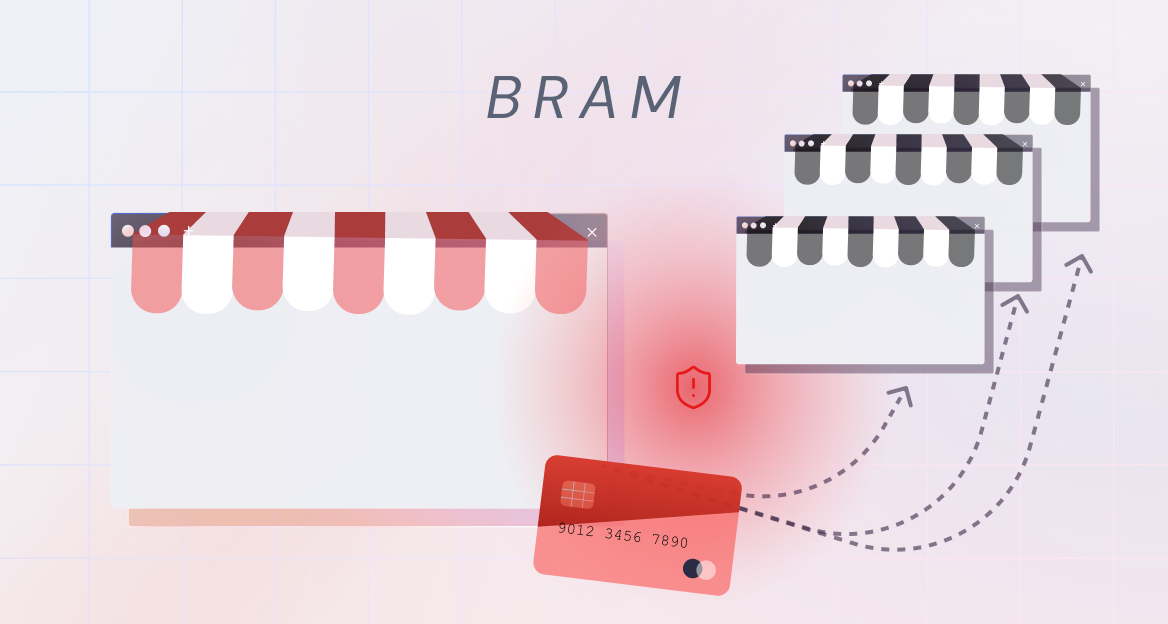
Card scheme compliance programs carry real financial and operational consequences for acquirers, PayFacs, and ISOs. Yet the Visa Integrity Risk Program remains less discussed than its chargeback-focused counterparts, even though a VIRP violation can trigger significant fines and reputational exposure. This Visa Integrity Risk Program guide covers how the program works, what triggers escalation, how it intersects with VAMP, and what a defensible compliance posture actually requires.
How the Visa Integrity Risk Program Works
Visa VIRP is a compliance enforcement mechanism through which Visa monitors acquirers for facilitating transactions in prohibited or high-risk merchant categories. Where programs like VAMP target fraud and chargeback ratios, VIRP targets the nature of the transaction itself, specifically whether an acquirer is enabling merchants to process payments for goods or services that violate Visa's rules or applicable law.
The program scope covers a defined set of merchant activity categories that Visa classifies as integrity risks. These include, but are not limited to:
- Illegal or unregulated pharmaceutical and controlled substance sales
- Illegal gambling or unlicensed gaming in jurisdictions where such activity is prohibited
- Counterfeit or infringing goods, including unlicensed intellectual property
The key distinction in how VIRP operates is that it places accountability on the acquirer, not only on the individual merchant. An acquirer processing transactions for a merchant that Visa has flagged as a VIRP concern becomes the responsible party under Visa's rules. Visa's Global Acquirer Risk Standards establish that acquirers must implement due diligence procedures proportionate to the risk profile of their merchant portfolios.
Violation categories within VIRP are generally defined by the type of prohibited activity and the degree to which the acquirer failed to prevent or remediate it. Visa uses transactional data, merchant category codes (MCCs), website content analysis, and complaint data as inputs to its monitoring process. When Visa identifies a pattern consistent with a VIRP concern, it initiates contact with the acquirer directly.
The program is not static. Visa periodically updates the categories of activity it monitors under VIRP as payment abuse patterns evolve. Acquirers should treat Visa's program communications as living compliance requirements rather than fixed rules.
Acquirers and PayFacs managing large or diverse merchant books need underwriting infrastructure that surfaces these categorical risks at onboarding, before they come across Visa’s radar. Ballerine's Merchant Underwriting solution is built around that requirement, enabling risk teams to assess MCC alignment, business model legality, and prohibited category exposure as part of every merchant review.
What Opens a Visa VIRP Case and How Fines Are Assessed
Unlike ratio-based monitoring programs, Visa VIRP is fundamentally different. There is no ratio to manage down or threshold to stay beneath. A single merchant found selling counterfeit goods, unlicensed pharmaceuticals, or facilitating illegal transactions is sufficient to open a case against the acquirer.
What triggers a VIRP case
Visa opens a VIRP case when it identifies evidence that an acquirer's merchant is processing transactions that violate Visa's Core Rules and Visa Product and Service Rules. That evidence can come from several sources: Visa's own transaction monitoring, external referrals from law enforcement or intellectual property holders, cardholder complaints, or web content analysis that reveals prohibited products or services. The trigger is the existence of a violation, not the volume or frequency of it.
This is a meaningful operational distinction. An acquirer cannot reduce VIRP exposure by monitoring chargeback ratios alone. A merchant with a clean chargeback record can still trigger a VIRP case if its business activity falls outside Visa's permitted categories.
Normal transaction volume
Healthy portfolio metrics
Prohibited category merchant
Case opened
Visa escalation and acquirer review
A single prohibited merchant can trigger a compliance investigation even when overall fraud and dispute metrics remain healthy.
Merchant review documentation
Monitoring and compliance evidence
Remediation or merchant termination
How fines are structured
Once a case is opened, Visa notifies the acquirer and expects a documented remediation response. The fine structure escalates based on the acquirer's response, not the initial detection. As communicated through Visa's program documentation, fines increase when an acquirer fails to terminate the offending merchant within the required timeframe, when the same violation recurs across multiple merchants, or when the acquirer cannot demonstrate that adequate controls were in place at onboarding. Visa communicates specific fine amounts directly to acquirers through program enrollment materials.
The acquirer's compliance posture at the time of violation is a material factor in how Visa assesses the case. An acquirer that can demonstrate it had a functioning merchant screening process, conducted a web content review at onboarding, and acted promptly on termination is treated differently from one with no documented controls. This is where the compliance program itself, not just the individual merchant decision, directly affects financial exposure.
Visa Integrity Risk Program vs. VAMP
Acquirers managing high-risk merchant portfolios often ask how Visa VIRP and VAMP interact. They are distinct programs with different triggers, but they both apply to the same acquirer simultaneously, and that is where operational complexity increases.
VAMP (Visa Acquirer Monitoring Program) monitors acquirers based on quantitative fraud and chargeback metrics. An acquirer is enrolled in VAMP when its portfolio-level fraud or dispute ratios breach defined thresholds. The remediation path under VAMP is primarily about reducing those ratios within a specified timeframe, typically through merchant-level action and improved fraud controls.
VIRP, by contrast, is not ratio-based. A single merchant processing transactions for prohibited goods can trigger a VIRP violation regardless of that merchant's chargeback ratio. An acquirer with exemplary VAMP metrics can still be in violation of VIRP if it has onboarded a merchant operating in a prohibited category.
VIRP
Category and integrity violations
VIRP focuses on what the merchant is doing. A single prohibited merchant category or integrity violation can trigger escalation even if portfolio metrics appear healthy.
VAMP
Portfolio ratios and thresholds
VAMP focuses on portfolio performance metrics such as fraud and dispute ratios. Escalation depends on exceeding defined thresholds over time.
Core difference: VAMP measures quantitative performance metrics. VIRP measures prohibited activity and ecosystem integrity risk.
The overlap for acquirers managing high-risk merchant portfolios is meaningful. High-risk merchants by MCC, such as those in adult content, nutraceuticals, or online gaming, frequently generate elevated chargebacks, which creates VAMP exposure, and also often operate in categories where regulatory status or permitted use requires scrutiny, which creates VIRP exposure. Managing both simultaneously is operationally different from managing either alone for several reasons.
First, the data inputs are different. VAMP management relies primarily on chargeback and fraud transaction data. VIRP management requires acquirers to monitor merchant website content, product descriptions, business model verification, and legal operating status in relevant jurisdictions. These are qualitative inputs that chargeback monitoring tools do not surface.
Second, the remediation timelines and contacts differ. VAMP escalation paths are typically communicated through standardized program documentation and involve quantitative targets. VIRP escalation involves direct compliance team engagement and requires narrative remediation plans. An acquirer managing both simultaneously needs two parallel response tracks.
Third, the merchant termination decision logic differs. A merchant approaching VAMP thresholds may warrant enhanced monitoring before termination is warranted. A merchant triggering a VIRP concern may require immediate termination regardless of fraud metrics, because the violation is categorical rather than ratio-based.
For acquirers managing ISO or PayFac relationships, the complexity extends further. Violations can originate from merchants several tiers removed from the acquiring bank, which makes Partner Oversight a structural requirement rather than an optional governance layer. Visibility into what partners are onboarding directly affects both VIRP and VAMP exposure.
Proactive VIRP Risk Management
Effective Visa VIRP risk management does not begin when Visa sends a notification. It begins at underwriting and continues through the full merchant lifecycle. Risk teams that detect VIRP-risk merchants before Visa flags them operate from a position of control rather than reaction.
Chargeback ratio trends by MCC are a leading indicator. A merchant coded under a low-risk MCC with a dispute pattern more consistent with a high-risk category is a signal worth investigating. MCC misclassification is a documented mechanism used by prohibited merchants to avoid scrutiny, and chargeback reason codes often reveal the actual nature of the transaction before the MCC does.
Web content signals require ongoing monitoring, not just onboarding review. A merchant that passes underwriting review with a compliant website can later pivot to prohibited products or services without notifying the acquirer. Automated web monitoring that flags content changes, new product categories, or jurisdiction-specific legal language provides continuous coverage that point-in-time underwriting cannot.
MCC behavior analysis at the portfolio level surfaces concentration risk. If an acquirer's portfolio shows a high proportion of merchants in MCCs that historically have elevated VIRP exposure, that concentration itself is a risk factor independent of any individual merchant's compliance status.
Portfolio-level pattern detection looks for relationships between merchants, not just merchant-level metrics. Merchants sharing BIN ranges, beneficial owners, IP addresses, or payment processing infrastructure with known violators represent indirect exposure. A risk platform that maps these connections surfaces risk that individual merchant review misses.
The goal of proactive detection is not to eliminate all VIRP-risk merchants from a portfolio but to ensure that when Visa does initiate contact, the acquirer can demonstrate a functioning compliance program rather than a gap. Visa's assessment of acquirer culpability in VIRP cases considers the strength of the acquirer's documented compliance posture.
Building a Visa Integrity Risk Program Compliance Workflow
A defensible Visa Integrity Risk Program compliance program has three structural components: documentation, monitoring cadence, and integration with underwriting and ongoing due diligence workflows.
Documentation requirements center on demonstrating that the acquirer has a defined process for identifying, escalating, and remediating VIRP-risk merchant activity. This includes written policies covering prohibited merchant categories, an escalation matrix specifying who is responsible at each stage of a potential violation, and records of merchant-level reviews conducted during onboarding and periodically thereafter. When Visa initiates a VIRP inquiry, documentation is the primary evidence the acquirer presents to demonstrate good faith.
Monitoring cadence should be calibrated to merchant risk tier. High-risk merchants by MCC, business model, or geography warrant more frequent review intervals than standard merchants. Monthly web content checks, quarterly transaction pattern reviews, and event-triggered reviews for merchants approaching chargeback thresholds are reasonable baseline standards. The specific intervals should be written into policy and applied consistently.
Integration with underwriting and ongoing monitoring is where many acquirers have operational gaps. VIRP risk factors identified at underwriting should carry forward into the ongoing monitoring workflow, not be treated as a static approval decision. A merchant underwritten with enhanced scrutiny because of its MCC should be in an elevated monitoring tier throughout the relationship.
Ballerine's Merchant Monitoring solution supports this workflow by linking underwriting risk signals directly to ongoing monitoring logic, reducing the manual handoff between underwriting and compliance operations. For acquirers and PayFacs managing hundreds or thousands of merchants, that connection between onboarding assessment and post-activation surveillance is where VIRP compliance programs either hold or break down.
Compliance teams should also build a direct communication channel with their Visa relationship contacts for VIRP-specific matters. The program involves direct acquirer-to-scheme communication, and having a named internal owner for that relationship reduces response time when notifications arrive.
About Ballerine
Ballerine's risk infrastructure platform helps acquirers, PayFacs, and ISOs automate merchant underwriting, ongoing monitoring, and compliance workflows across their portfolios. Our platform supports the continuous web content monitoring, MCC-level analysis, and portfolio pattern detection that VIRP compliance requires, without manual overhead. To see how it works, request a demo.


edited%205.webp)
.png)


.png)

.svg)
.svg)
.svg)
.svg)
.svg)
.svg)
.svg)
.svg)