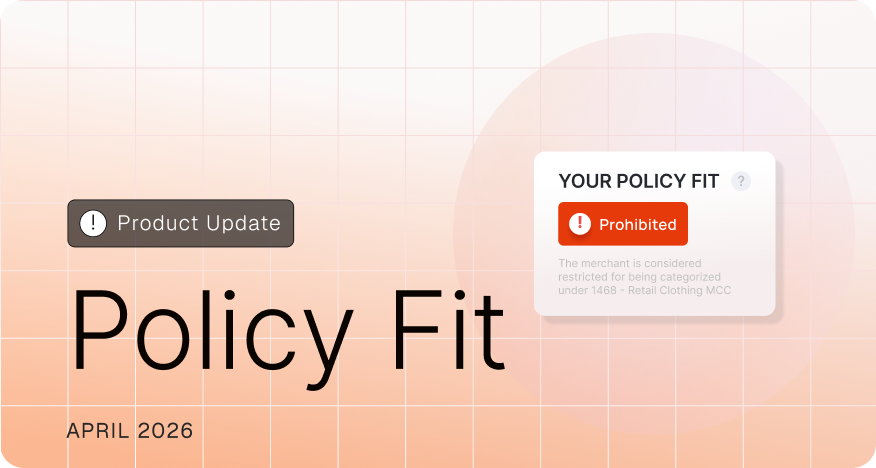
New Automated Capability: Gated Content Access enables automated access, scanning, and alerting for password-protected website areas as part of financial institution onboarding and monitoring workflows.
Broader Coverage: Automatically analyze password‑protected website areas, not just public pages.
Less Manual Review: Reduce reliance on manual logins while improving audit readiness for MMSP.
The problem with analyzing gated content
For most financial institutions, reviewing merchant websites is a core part of onboarding and ongoing monitoring. This responsibility typically sits with risk analysts, compliance officers, and risk leads who are accountable for merchant due diligence and ongoing monitoring decisions. While public pages are easy to scan automatically, many merchants operate gated or password‑protected areas that often contain critical information relevant to risk and compliance assessments.
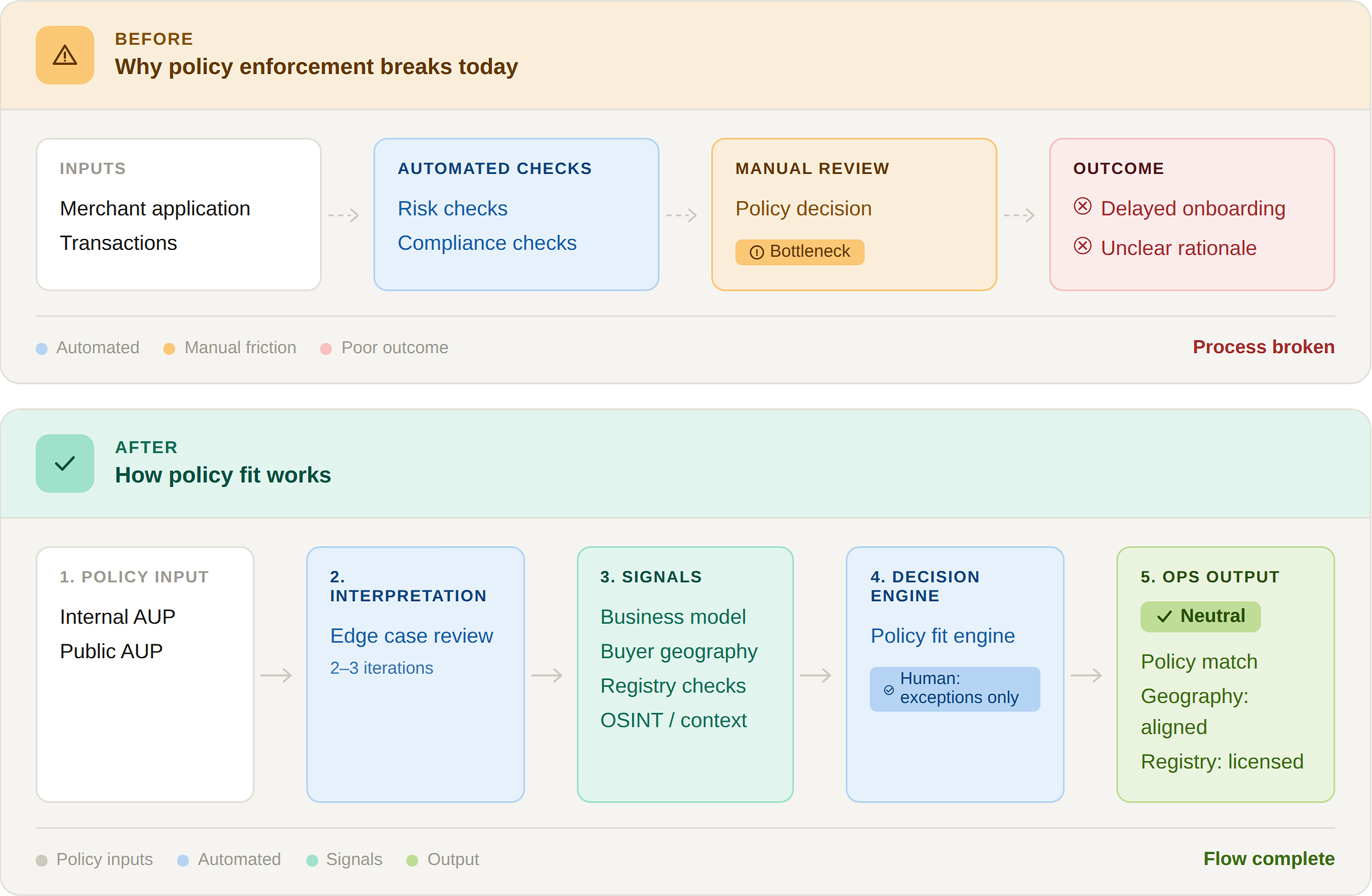
Until now, these areas created friction for risk and compliance teams. When gated content was identified, reviewers had to manually collect credentials, log in to the site, and inspect restricted sections one by one. This approach does not scale, increases review time, and introduces operational risk.
At the same time, scheme expectations are tightening. As part of the Mastercard Monitoring & Screening Program (MMSP) updates effective January 2026, financial institutions are expected to demonstrate more comprehensive merchant website monitoring including restricted and gated areas where applicable.
How does Ballerine’s Policy Fit work?
Ballerine provides Gated Content Access
To address this, we introduced Gated Content Access.
This capability allows Ballerine clients to automatically access and scan password-protected areas of a merchant's website as part of standard onboarding and monitoring workflows. The entire flow runs automatically and only requires a one-time setup to grant access to the merchant's gated areas.
The result is deeper coverage, fewer blind spots, and less manual effort for risk teams.
See Ballerine's gated contect access in action
The Playbook: Automated Gated Content Review
Here’s how financial institutions can use Gated Content Access in practice:
Step 1: The Trigger A merchant is onboarded or reviewed, and their website includes password‑protected areas relevant to risk assessment.
Step 2: The Automation During case setup, the financial institution securely enters merchant‑provided login credentials. When the scan runs, Ballerine automatically accesses gated areas and analyzes the content behind the login wall.
Step 3: The Decision
If gated content is successfully analyzed, findings are incorporated into the case context and risk assessment.
If gated areas exist but credentials are missing or invalid, the system clearly flags unaccessed sections for targeted manual follow‑up.
This ensures risk teams always know whether website coverage is complete.
Automate gated content access monitoring with Ballerine
Why It Matters
For financial institutions, gated content is no longer an edge case. It is increasingly common across regulated and higher‑risk merchant categories and is now explicitly reflected in scheme expectations such as MMSP.
By automating access and analysis, financial institutions using Ballerine can:
Gadi Ben-Amram is a technology entrepreneur and AI product leader specializing in merchant risk management, fraud prevention, and operational automation. With extensive experience building AI-driven platforms, he focuses on helping fintechs and digital businesses streamline compliance workflows, improve risk decisioning, and create safer customer experiences through intelligent automation and data-driven systems.
Related Questions
Why do hidden websites create risk for financial institutions?
What is gated content monitoring?
How can financial institutions automate hidden website reviews?
What risk signals suggest a merchant may be hiding activity?
Why is evidence important in hidden website monitoring?
New Automated Capability: Gated Content Access enables automated access, scanning, and alerting for password-protected website areas as part of financial institution onboarding and monitoring workflows.
Broader Coverage: Automatically analyze password‑protected website areas, not just public pages.
Less Manual Review: Reduce reliance on manual logins while improving audit readiness for MMSP.
The problem with analyzing gated content
For most financial institutions, reviewing merchant websites is a core part of onboarding and ongoing monitoring. This responsibility typically sits with risk analysts, compliance officers, and risk leads who are accountable for merchant due diligence and ongoing monitoring decisions. While public pages are easy to scan automatically, many merchants operate gated or password‑protected areas that often contain critical information relevant to risk and compliance assessments.
Until now, these areas created friction for risk and compliance teams. When gated content was identified, reviewers had to manually collect credentials, log in to the site, and inspect restricted sections one by one. This approach does not scale, increases review time, and introduces operational risk.
At the same time, scheme expectations are tightening. As part of the Mastercard Monitoring & Screening Program (MMSP) updates effective January 2026, financial institutions are expected to demonstrate more comprehensive merchant website monitoring including restricted and gated areas where applicable.
How does Ballerine’s Policy Fit work?
Ballerine provides Gated Content Access
To address this, we introduced Gated Content Access.
This capability allows Ballerine clients to automatically access and scan password-protected areas of a merchant's website as part of standard onboarding and monitoring workflows. The entire flow runs automatically and only requires a one-time setup to grant access to the merchant's gated areas.
The result is deeper coverage, fewer blind spots, and less manual effort for risk teams.
See Ballerine's gated contect access in action
The Playbook: Automated Gated Content Review
Here’s how financial institutions can use Gated Content Access in practice:
Step 1: The Trigger A merchant is onboarded or reviewed, and their website includes password‑protected areas relevant to risk assessment.
Step 2: The Automation During case setup, the financial institution securely enters merchant‑provided login credentials. When the scan runs, Ballerine automatically accesses gated areas and analyzes the content behind the login wall.
Step 3: The Decision
If gated content is successfully analyzed, findings are incorporated into the case context and risk assessment.
If gated areas exist but credentials are missing or invalid, the system clearly flags unaccessed sections for targeted manual follow‑up.
This ensures risk teams always know whether website coverage is complete.
Automate gated content access monitoring with Ballerine
Why It Matters
For financial institutions, gated content is no longer an edge case. It is increasingly common across regulated and higher‑risk merchant categories and is now explicitly reflected in scheme expectations such as MMSP.
By automating access and analysis, financial institutions using Ballerine can:






.png)

.svg)
.svg)
.svg)
.svg)
.svg)
.svg)
.svg)
.svg)