
Merchant Counterfeit Risk: A Practical Framework for Payment Processors and Acquiring Banks
In an era of sophisticated fakes, standard KYB isn't enough. Our framework helps acquirers move beyond basic checks to proactive detection of intellectual property (IP) violations and illicit trade.
.png)
Marketplace Seller Risk Management: A Compliance Framework for Payment Processors and Platforms
A systematic approach to detecting and preventing prohibited seller activity in marketplace environments, with actionable protocols and risk controls for payment processors, acquirers, and marketplace operators.
.png)
Detecting Aggregator-Within-Aggregator: A Compliance Framework for Payment Processors
Hidden nested aggregators create "blind spots" that lead to massive card scheme fines and regulatory scrutiny. This guide outlines a robust framework for identifying multi-layered merchant relationships, improving your KYB accuracy, and ensuring your risk monitoring covers every layer of the payment chain. Don't let sub-merchants hide in plain sight.

Understanding Underwriting Models Across PSPs, PayFacs, and Acquirers
The merchant landscape is more diverse than ever, and so are the risks. While Payment Service Providers (PSPs), Payment Facilitators (PayFacs), and Acquirers all share the goal of enabling commerce, their approaches to risk assessment vary significantly based on their regulatory exposure and place in the payment flow. This guide breaks down the core differences in underwriting models, exploring how each entity balances automated speed with manual due diligence to manage fraud, credit, and compliance risks.

What is Merchant Underwriting
Merchant underwriting is the critical risk-assessment process that determines a business’s eligibility to process payments. This overview breaks down how the process works and examines the key factors underwriters evaluate, such as financial stability and industry risk. It also explores how automation is transforming onboarding from a weeks-long bottleneck into a competitive advantage.

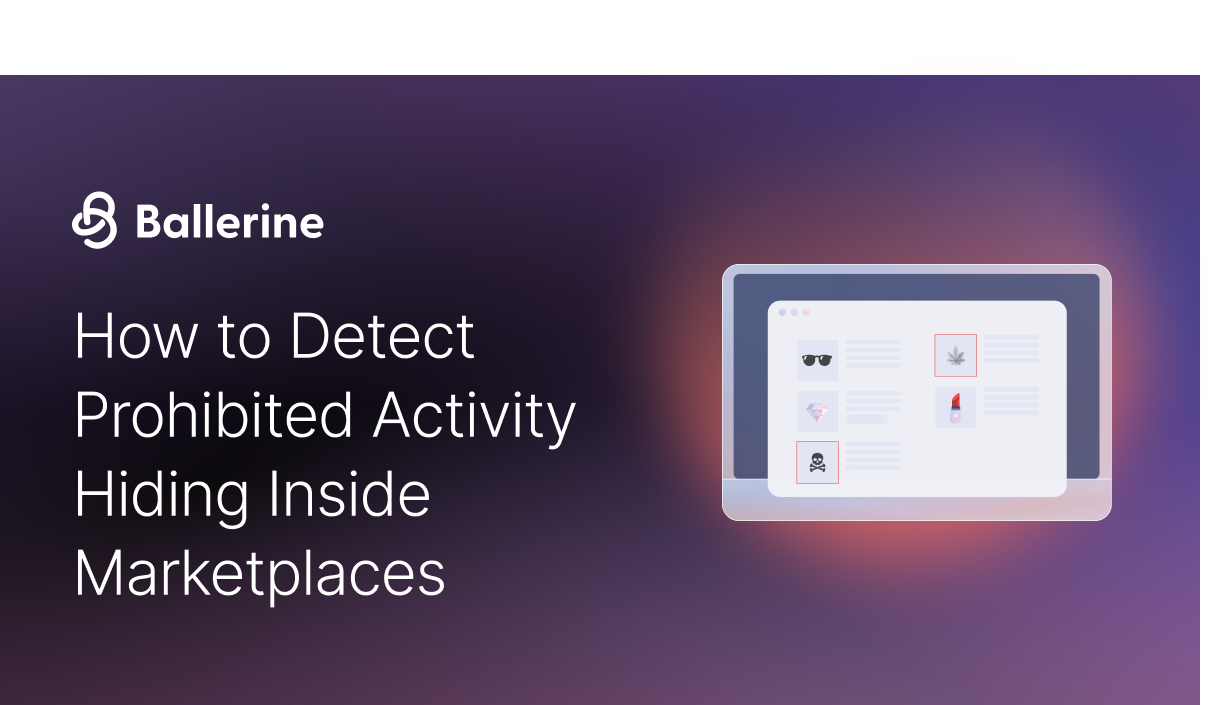
How to Detect Prohibited Activity Hiding Inside Marketplaces
This guide provides a systematic approach for marketplaces to detect and prevent prohibited seller activity before it scales, offering a detailed framework to identify hidden violations, enforce category rules, and maintain platform integrity through active monitoring and rapid response.

Supplement Merchant Underwriting
Payment processors and acquiring banks face a critical challenge with supplement merchants: distinguishing legitimate products from disguised pharmaceutical operations that create regulatory, chargeback, and network compliance exposure.
A risk-led dropshipping underwriting framework for PSPs and acquirers
Gain a structured, evidence-based framework for evaluating dropshipping merchants, with actionable verification protocols and risk controls tailored for payment processors, acquirers, and underwriting teams.
Transaction Laundering Detection for New Merchant Onboarding
Gain an evidence-based approach to identifying transaction laundering at the new Merchant ID (MID) stage, with operational controls and investigation protocols designed for acquirers, PayFacs, and payment risk teams.
Detecting Aggregator-Within-Aggregator: A Payment Compliance Framework
Nested payment relationships can hide high-risk sub-merchants and trigger regulatory fines. We provide a practical compliance framework to uncover "aggregators-within-aggregators," giving you full visibility into your merchant ecosystem. Learn how to strengthen your KYB and transaction monitoring to stay ahead of card scheme audits.

How to Underwrite Gambling Merchants: A US Licensing and Payments Framework
Master the complexities of US gambling merchant underwriting. This comprehensive guide breaks down essential licensing requirements, payment frameworks, and risk mitigation strategies to help financial institutions confidently navigate and scale within the highly regulated online gaming industry.


.png)


.png)
.png)