.png)
Agentic Commerce Risk: What PSPs and Acquirers Need to Know About AI Shopping Agents

Merchant Underwriting: What to Automate and What Still Needs an Underwriter
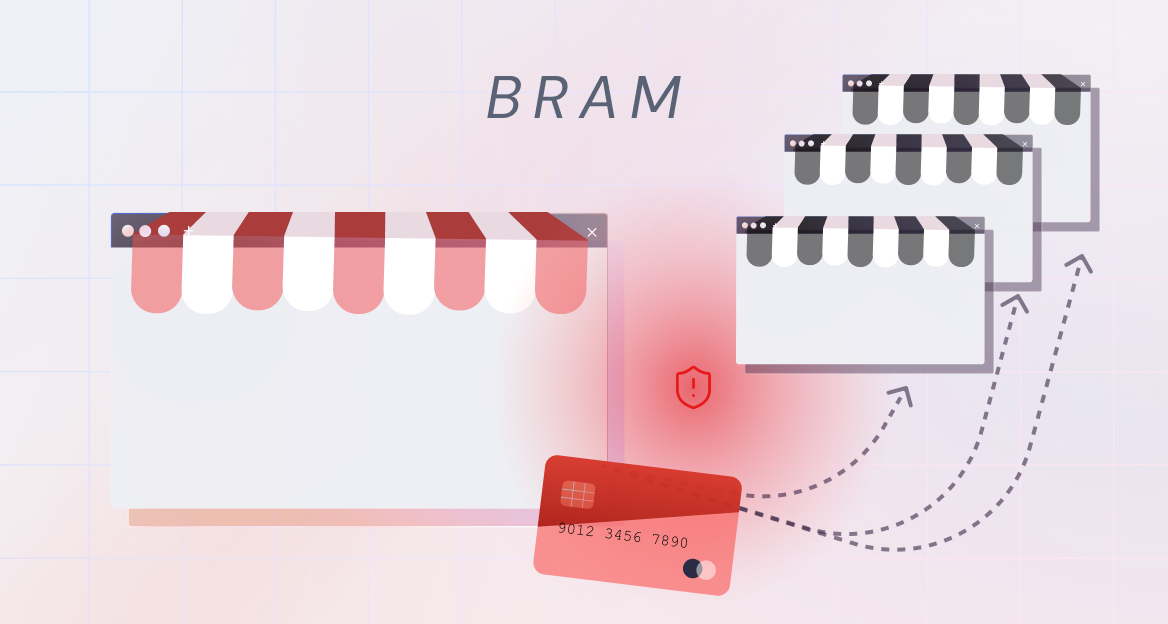
BRAM Compliance and Transaction Laundering: What Acquirers Need to Catch Earlier
.png)
MCC Compliance: Why Self-Selected Merchant Category Codes Are a Risk You're Inheriting
.png)
Mastercard MMSP: What It Requires and What the July 2026 Deadline Means
.png)
No URL, Full Liability: The Merchant Monitoring Gap in Social Commerce
.png)
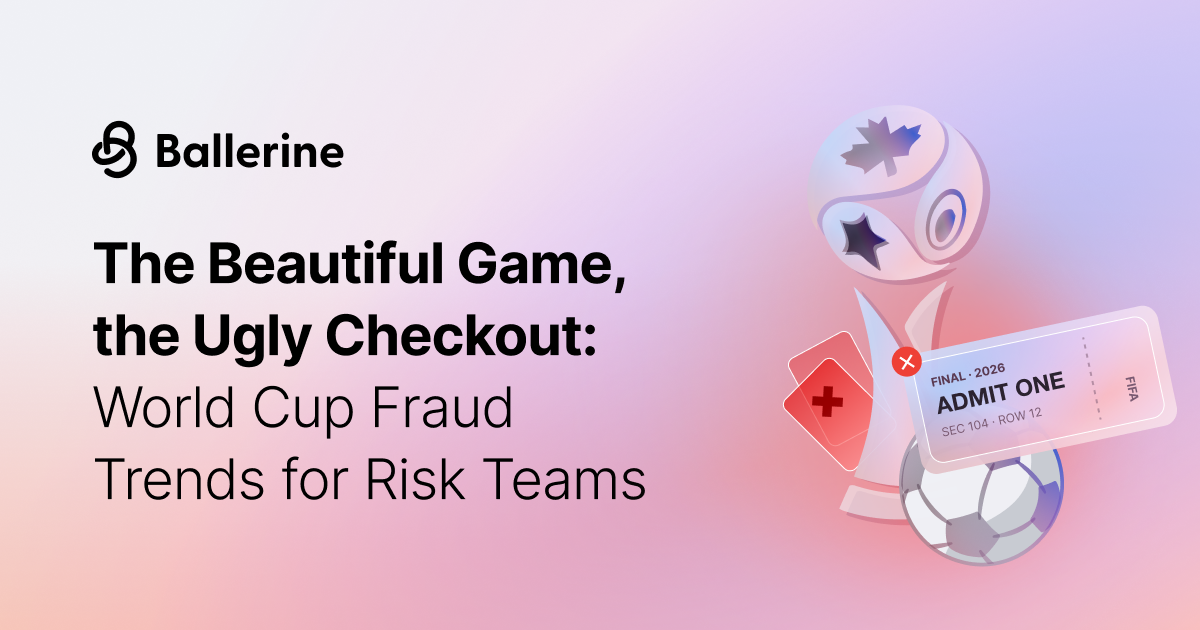
The Beautiful Game, the Ugly Checkout: World Cup Fraud Trends for Risk Teams
.png)
MMSP vs MMP: What's the Difference?
These two acronyms appear in the same conversations, referenced in the same compliance documents, and applied to the same operational problem. They are not the same thing, and the difference between them has direct compliance implications for every acquirer and payment service provider (PSP) operating under Mastercard's rules.
.png)
Crypto Services and Payment Risk: A Model Classification Framework for Risk Leaders
How acquirers, PayFacs, and compliance teams can identify whether a crypto merchant is a broker, custodial wallet, or exchange before misclassification creates licensing gaps, chargeback exposure, or sanctions violations.
.png)
CBD Claims Compliance: A Verification Framework for Risk Leaders
How payment and risk teams can audit merchant claims across product pages, content marketing, advertising, and affiliate channels before Federal Trade Commission (FTC) and Food and Drug Administration (FDA) exposure enters the portfolio.
.png)
Marketplace Seller Risk Management: A Compliance Framework for Payment Processors and Platforms
A systematic approach to detecting and preventing prohibited seller activity in marketplace environments, with actionable protocols and risk controls for payment processors, acquirers, and marketplace operators.

What is Merchant Underwriting
Merchant underwriting is the critical risk-assessment process that determines a business’s eligibility to process payments. This overview breaks down how the process works and examines the key factors underwriters evaluate, such as financial stability and industry risk. It also explores how automation is transforming onboarding from a weeks-long bottleneck into a competitive advantage.

Mastercard MMSP and Brand Integrity
This guide breaks down the 2026 MMP update into a practical checklist: what data to collect, how to monitor public and gated content, what to document for audits, and how to run investigations and remediation within 15 days to limit BRAM risk.
.png)
Detecting High-Risk Operators Disguised as Low-Risk Service Providers
Use this framework to spot misclassified merchants by verifying operational reality, not stated MCCs - who controls the product, sets pricing, controls funds flow, and owns the customer relationship - with repeatable tests and evidence your risk team can defend.
.png)
BRAM and VIRP: A Practical, Professional Guide for PSPs in 2026
For risk and compliance teams, BRAM and VIRP aren't theoretical guidelines. They are ongoing obligations. We break down the evolving expectations for 2026, highlighting the specific themes that lead to fines (like illegal activity and IP infringement) and how to build a governance model that protects your portfolio.


.png)


.png)

.png)
.png)

.png)
.png)

.png)

.png)


.png)



.png)

.png)